
For some years now, the blue crabs have been devastating and have invaded the Canet-en-Roussillon and the Étang de Berre lagoons. This creature eats everything. Today, the fishermen are overwhelmed by the proliferation of this crustacean. This crab is very fast and it threatens the local biodiversity.
They haven’t found the reason for the invasion, so they try to control their number by fishing. The fishermen started to see them in 2017, at first just one or two, and now it is almost every day.
In addition to making species disappear or decrease, the blue crabs prevent the work of fishermen. For example, eel fishermen can’t do their job because the blue crabs have destroyed most of their eels. They are sometimes called “serial killers” because they attack everything.
So some scientists try to help the fishermen and solve this problem. They have given money to study the behaviour and biology of the species, and to try to answer the questions about it. But the species remains and proliferates because the conditions in these lagoons are ideal.
While waiting for answers to their questions, fishermen have put in place tricks to regulate the quantity of blue crabs, like deploying traps or continuing to fish them. They also try to include it in a local dish, because it seems that it is tasty and unusual, but the region doesn’t have a “shellfish platter” culture. The fishermen try to sell it, and the sales are still too low.
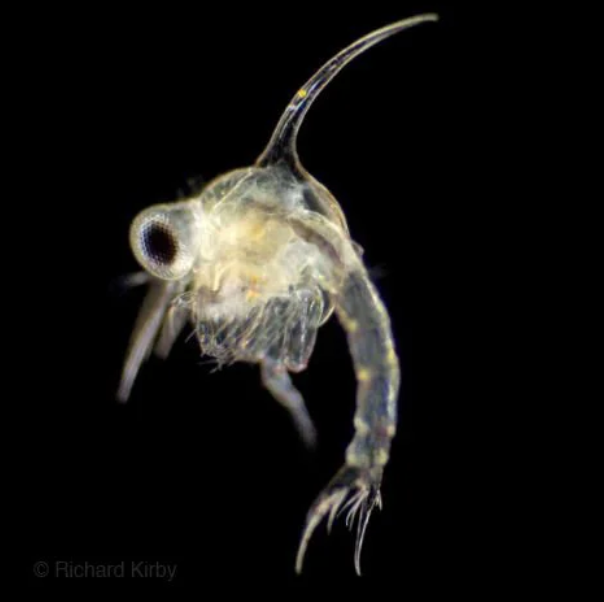
With our highschool club, we are going to try to find the blue crab larvae, called zoea, in places like the Étang de Berre. We are developing an AI program that can automatically identify the blue crab zoea and could help understanding the species and protect local ecosystems.
Sources: